Ekaterinburg
Yekaterinburg: between the past and the future
Yekaterinburg is a modern city of millions, where the history of Ural industry meets constructivist architecture and vibrant street art. To get to know all the facets of the capital of the Urals in one trip, take our city guide with you!
Lines on the asphalt
Once you are in the center of the city, you will find lines of different colors under your feet. These are your assistants! The red line will guide you through all the main attractions. Open the project's website on your phone (www.ekbredline.ru ) and you can easily complete your first route around Yekaterinburg on your own – the resource has an audio guide in Russian and English, as well as the opportunity to book an excursion with a professional guide.
The yellow line will be your guide to the world of street art. If you didn't know, the city is considered the capital of street art! On the "yellow way" you will find huge portraits of writers and musicians, surreal subjects and abstract compositions created by participants of the international Stenograffia festival.
This route will show how Yekaterinburg lives today, which is not afraid to experiment with the urban environment.
What are they, the main locations of the capital of the Urals?
The heart of the city is the Dam. It was here that an ironworks was founded in 1723, which marked the beginning of Yekaterinburg. Today, the Dam is a cozy green area with singing fountains, where fragments of ancient factory structures and the first stone house of the city have been preserved. The sign "Zero kilometer of highways of the Sverdlovsk region" is also installed here.
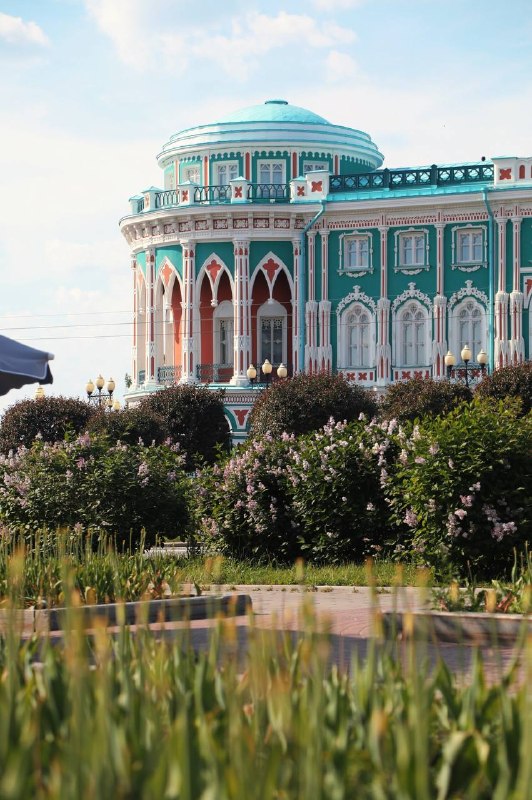
Just a few steps away is one of the most recognizable buildings in Yekaterinburg — the famous Sevastyanov House. This mansion with lace stucco combines elements of different styles and looks especially impressive in the evening light.
Another point of immersion in the atmosphere is an inconspicuous water tower from the outside. Go down to the underpass next to it: the art object "This music will last forever" is hidden there. The installation is dedicated to the legends of the Sverdlovsk rock club: the groups Chaif, Nautilus Pompilius, Semantic Hallucinations and others. By the way, in honor of the club's 40th anniversary, 2026 has been declared the Year of Ural Rock in Yekaterinburg!
The iconic place of the city is also the Church on the Blood on Tsarskaya Street. This is the largest temple in Yekaterinburg, built on the site of the House of engineer Ipatiev. Important Orthodox shrines are kept inside, including the Troeruchitsa icon, found among the personal belongings of Nicholas II's family.
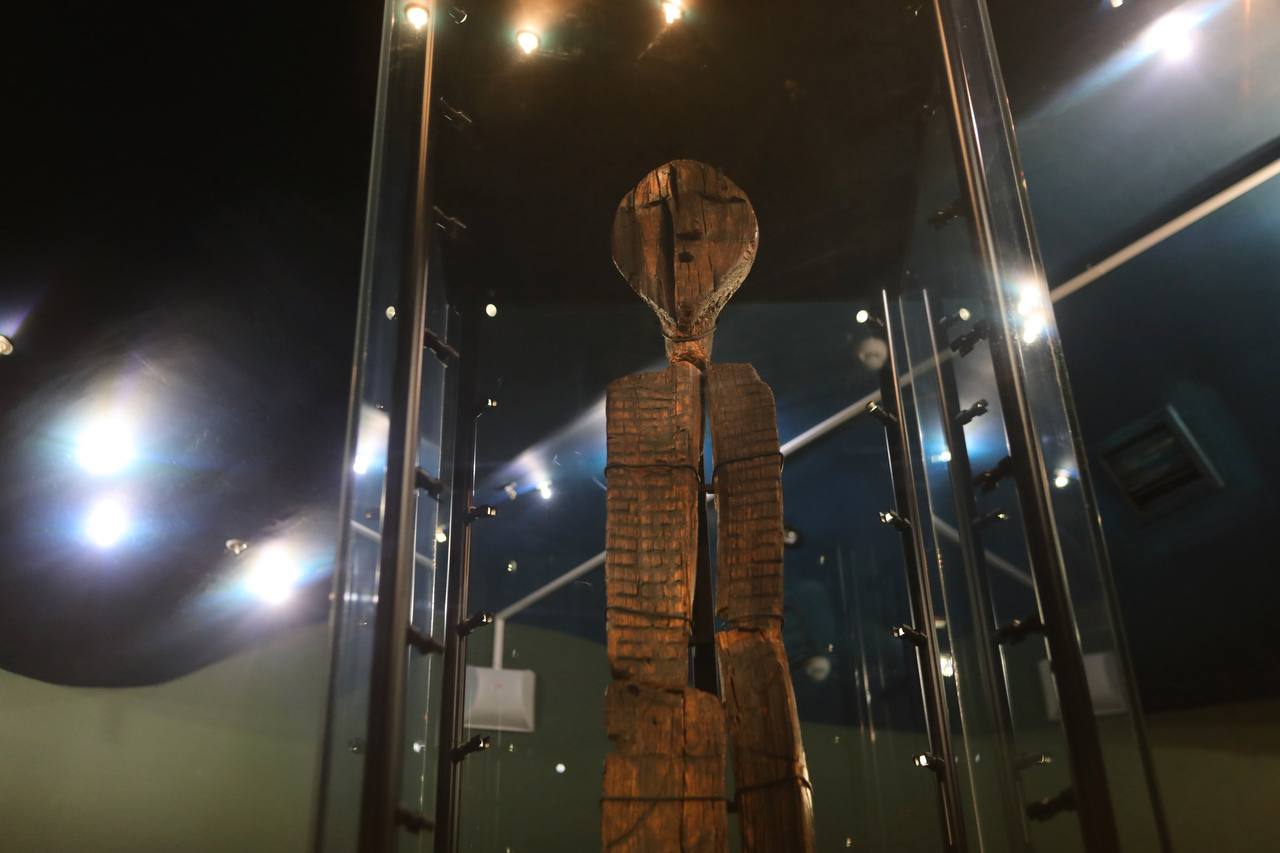
The next destination is the Museum of History and Archeology of the Urals. A Large Shigir idol is kept here – a sculpture that is more ancient than the Egyptian pyramids! The oldest surviving wooden sculpture (it is about 12,000 years old) was discovered in 1890 by gold mine workers. This priceless artifact allows you to literally touch the epochs that are not written about in school textbooks.
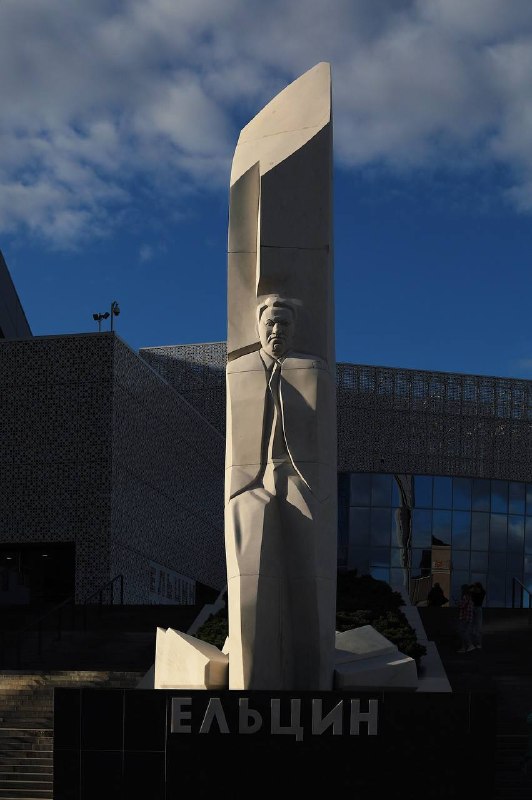
It is best to plunge into the history of modern Russia in the museum at the Boris Yeltsin Presidential Center, or Yeltsin Center. This space works on the principle of "you can touch history with your hands." The interactive multimedia exhibition recreates the atmosphere of the crucial events of the late 20th century: here you will become a participant in historical processes, vote in the first elections, or try yourself as a news correspondent.
But the Yeltsin Center does not live only in the past.: This is the main public venue in the city with lectures, temporary exhibitions of contemporary art, an excellent bookstore, a cafe with the very "Sverdlovsk puffs" and a concert hall.
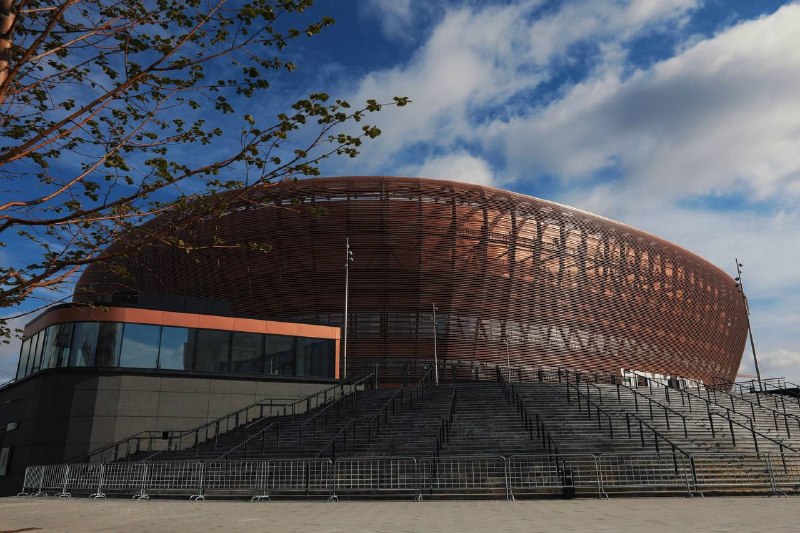
Yekaterinburg surprises the guests not only with its history, but also with its engineering courage. The UMMC Arena is a vivid proof of this. This is a unique world-class architectural transformer. It is designed in such a way that in one night it can transform from a hockey arena into a concert hall, a basketball court or spectacular fights.
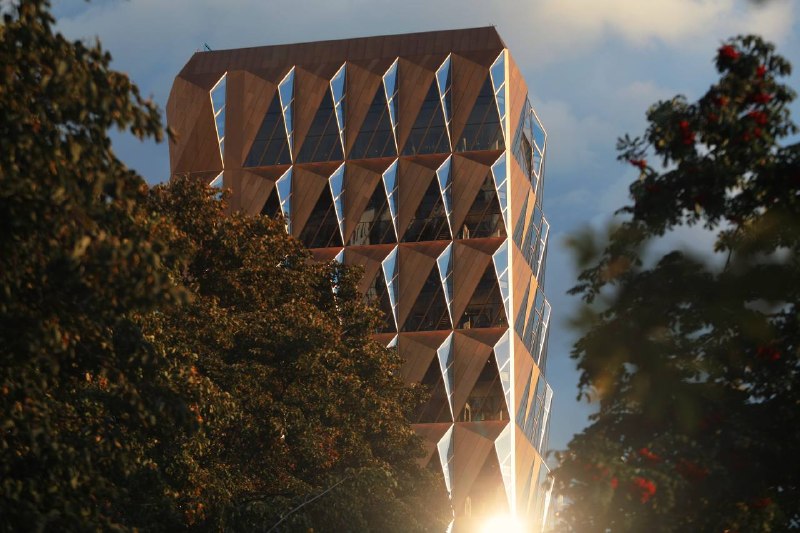
An equally impressive object is the headquarters of the Russian Copper Company, popularly known as the pineapple House. This is one of two completed projects by the famous British architect Norman Foster in Russia. The building's convex facades and protruding diamond-shaped windows give it a resemblance to an overseas fruit. The facets of the cladding imitate a copper crystal lattice, and the logo on the roof looks like an art installation.
The rhythm of the modern center is set by the skyscrapers of the Yekaterinburg City business district with glass facades, restaurants, sports clubs and panoramic elevators. During the day, the quarter impresses with the scale of innovative development, and in the evening it is effectively illuminated.
To capture all of the above in one glance, climb to the observation deck of the Vysotsky skyscraper. From the 52nd floor you will enjoy a breathtaking panorama of the city! You can also enjoy the bird's–eye view from the pool, which is located directly on the roof of the building.
After that, be sure to go down to the first floor – there is a museum in memory of Vladimir Vysotsky. Here you can see the personal belongings of the poet and actor, his famous Mercedes-Benz and a fully restored hotel room in which he stayed during trips to the Urals.
We try the Ural cuisine
Local cuisine is another reason to come to Yekaterinburg and feel how the harsh climate and traditions of the Urals have affected local food. It serves soulful dishes: hot shang with a golden crust, juicy Ural dumplings, fragrant dishes with mushrooms and seasonal products. They not only saturate, but also warm the soul, remaining in the memory for a long time. You can try dishes of Ural cuisine in the restaurants "Two grandfathers", "Tours", "Chudnoy", Kitchen, "Shanezhnaya" and many others.
The city hosts several festivals dedicated to Ural cuisine. During the Uralisichki! festival, local chefs prepare salads, tartars, shangas, and even desserts with orange mushrooms. In winter, during the "Authentic Ural Cuisine" festival, in addition to chicken coops, buns and game dishes, you can try porcini mushroom cakes, carrot muffins with ryazhenka cream or red onion marmalade.
Try everything, and the taste of Yekaterinburg will be one of the best experiences for you!
Avant-garde architecture
The monuments of the constructivist era are another visiting card of Yekaterinburg, to which it is worth dedicating at least one day of your trip! Experimental residential complexes, public buildings, and factories from the 1920s and 1930s have become a symbol of the era of revolutionary change.
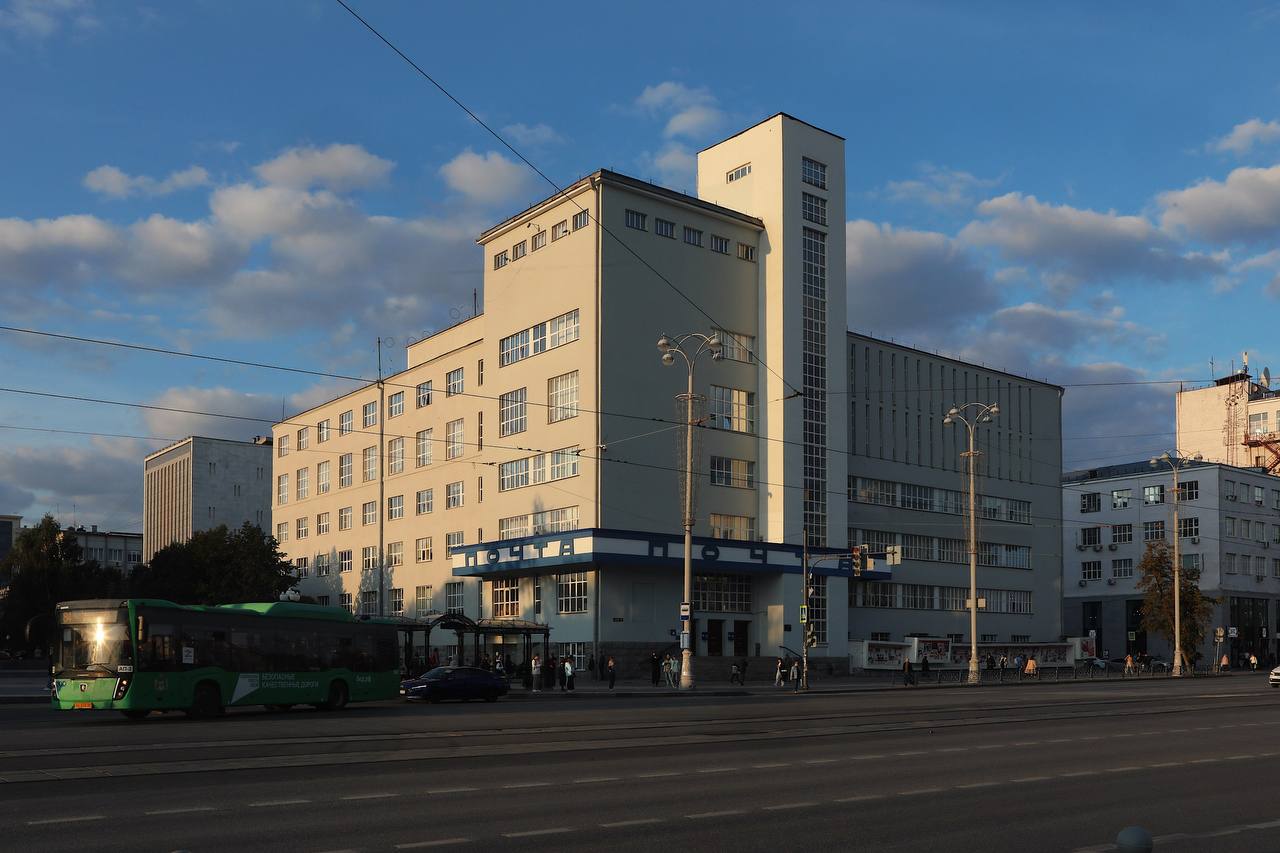
Among the most famous objects is the Main Post Office on Lenin Avenue. Shaped like a tractor, it was built in 1933. According to the original idea, a large building of the "Postal Workers Club" was supposed to be adjacent to the Main Post Office, but out of economy, the club rooms were placed right inside. So there was a nursery, a sports hall, classes for clubs and a radio theater with 800 seats.
Not far from the Main Post Office is the Printing House, a project by Muscovite G. Golubev, later the chief architect of Sverdlovsk. Wide ribbon windows along the entire length, rounded facade, stairwells placed outside the building in semicircular glazed "glasses" are a real classic of constructivism. Today, the atmospheric building houses a bookstore, cafes, restaurants and photo studios.
The Dynamo sports complex on the arrow of the city pond resembles a floating ship in shape. The sharply angled projection of the bay window looks like the bow of a ship, the blind balconies of the side facades resemble lifeboats, and the superstructure above the main pavilion follows the contour of the captain's bridge.
Apartment buildings of that era are no less interesting. For example, eight buildings of Domgospromural on Lenin Avenue, 52 are built in two rows and face the main streets not with facades, but with ends. This principle of low-level building made it possible to avoid gloomy courtyards-wells. The six-storey buildings were combined with three-storey household buildings. From above, it looked like a huge comb. That's what the residents began to call the house. In the nineties and noughties, this symbol of constructivism became an unofficial gallery of modern art.
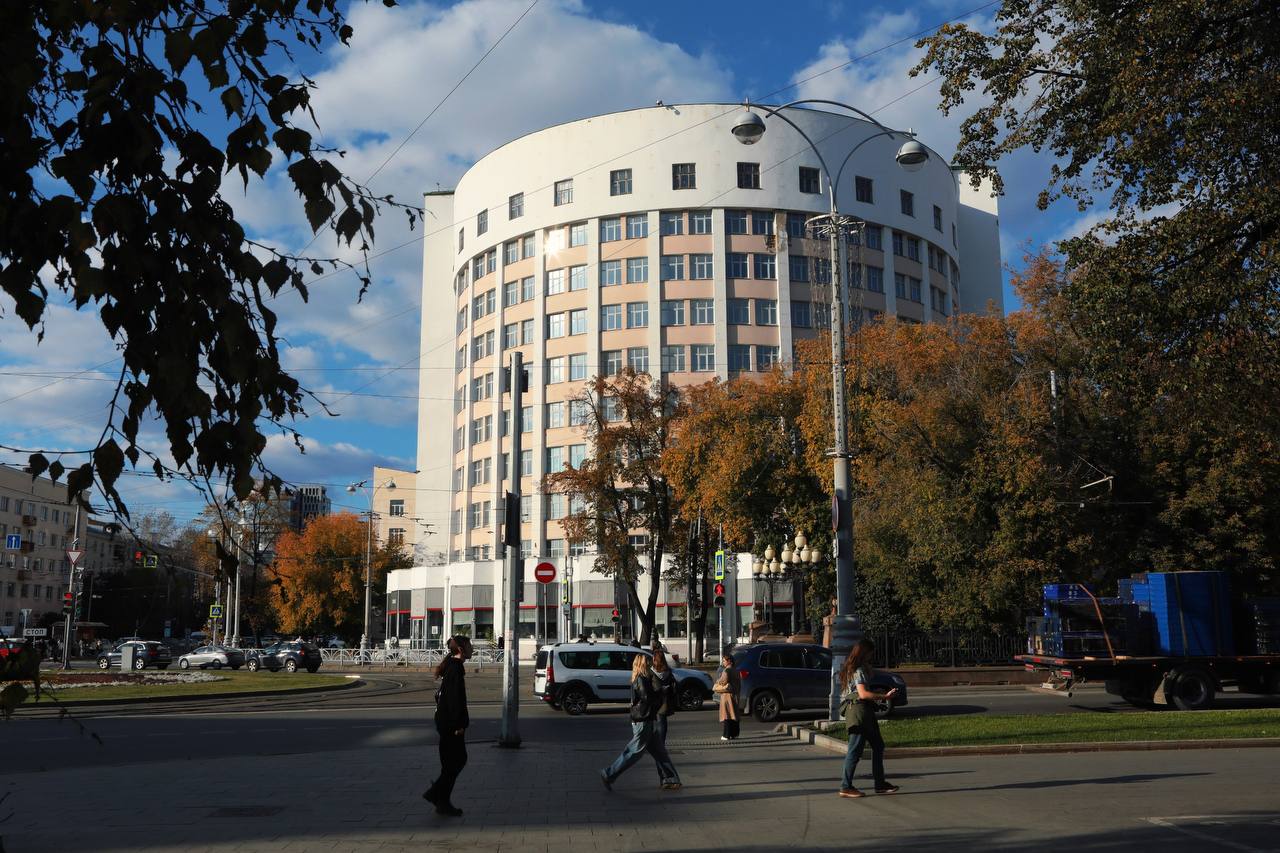
The "Chekist Town" evokes completely different emotions. This gated community consists of nine buildings. Two of them are high—rise buildings - an 11-storey dormitory in the shape of a horseshoe (later the Iset hotel was opened here) and an eight-storey building. From a bird's—eye view, they, together with the building of the Museum of History and Archeology of the Urals, form the famous Soviet symbol - the hammer and sickle. There is not a single straight street inside the block, which creates a feeling of an absolutely autonomous world.
The "Jaconda" of constructivism is the White Water Tower. It was designed by M. Reisher. At the time of construction, it was the tallest reinforced concrete structure in Europe, and its tank was the largest in the world. Today, temporary exhibitions are taking place on the ground floor of the tower, the tank has been adapted as a multimedia platform, and the observation tower has become a terrace overlooking the panorama of the Uralmash district.
It is easy to learn about these and other monuments of constructivism and set your route on the new map of the architectural avant-garde. It, like other guidebooks, can be obtained from the Tourist Information Center at 16 Vayner Street (Domna creative cluster).
To the museum by train
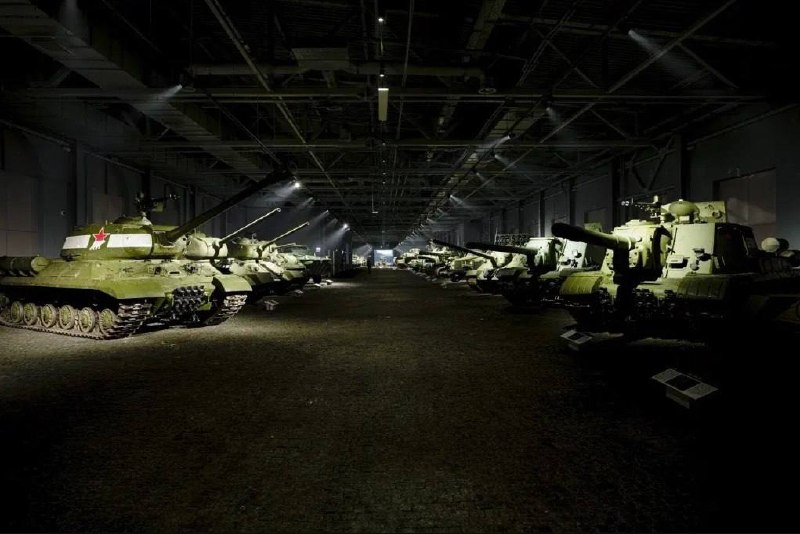
If you have one more day left, be sure to set it aside for a trip to Verkhnyaya Pyshma! A grandiose Museum complex of civil and military equipment is located just half an hour's drive from Yekaterinburg.
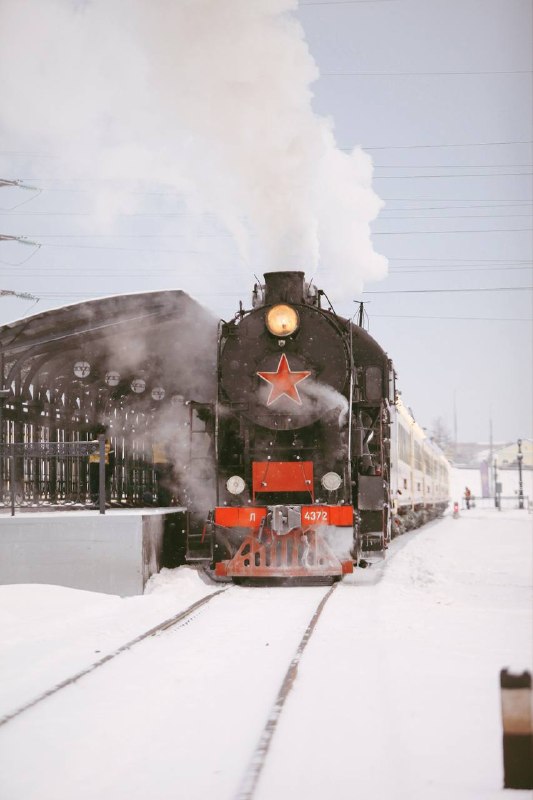
Take a retro train there — it runs along the historical railway tracks of the Middle Urals, turning the road into a real adventure. The carriages are decorated in the style of different eras, from tsarist times to the Soviet period. A special carriage with animators and play areas is provided for young travelers.
The museum itself is amazing in its scale. This is not just a warehouse of historical equipment, but several huge thematic zones, each of which is dedicated to a specific type of the armed forces of the USSR and modern Russia. It's easy to spend a whole day here, looking at deck-based aircraft, air defense systems, and submarines. The exposition of civil engineering deserves special attention. It features legendary GAZ, ZIL, UAZ, KamAZ and other famous models.
Interactive tours are provided for children, allowing them to feel like a real tanker, mechanic or pilot: here you can sit inside the cockpit of a fighter or try to control heavy equipment on special simulators. In addition to the indoor pavilions, the complex includes a huge exhibition of unique aircraft in the open air — the real giants of the sky are standing right on the runway.
One foot in Europe, the other in Asia
And we recommend symbolically completing an eventful trip. According to the tradition of many travelers, the final point of the route is the stele on the 17th kilometer of the Novo-Moskovsky highway. It marks the geographical boundary of two parts of the world. The place is equipped with a special photo platform, a souvenir shop and a small cafe where you can drink coffee while standing with one foot in Europe and the other in Asia.
We wish you a happy trip to the capital of the Urals! For all questions, as well as for the best excursions and souvenirs, you can always contact the Tourist Information Center (TIC) at 16 Vayner Street (Domna creative cluster).